
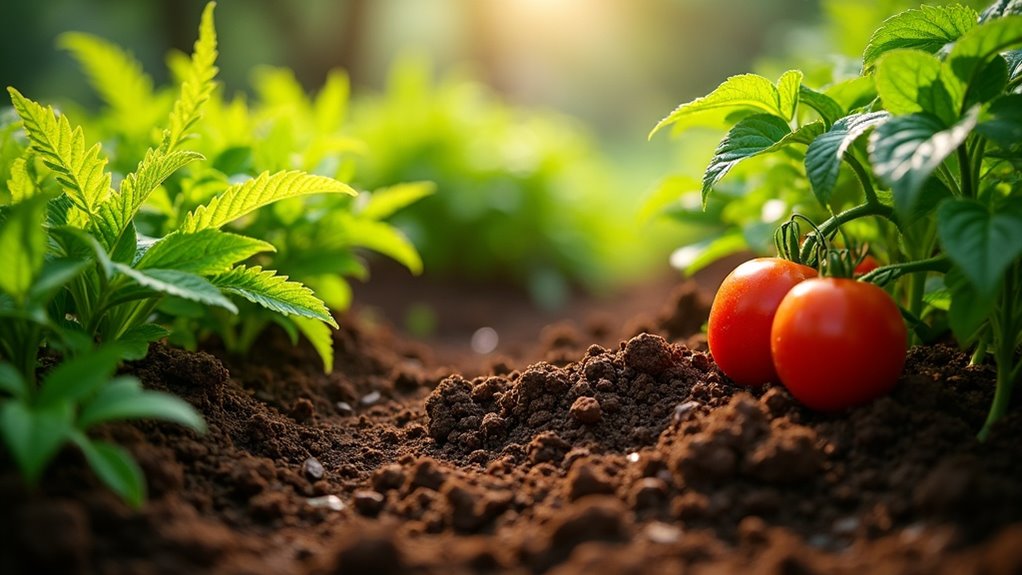
If you’re looking to enhance your soil with coffee grounds, consider plants like blueberries, azaleas, strawberries, roses, and African violets. They thrive on the nitrogen boost and benefit from the slightly acidic environment that coffee grounds create. However, it’s important to use them judiciously to avoid excess moisture and potential nutrient imbalances. By properly mixing grounds into your soil, you can promote healthier plants and vibrant blooms. There’s much more to explore about maximizing their benefits.
Key Takeaways
- Blueberries thrive with coffee grounds due to improved soil acidity and nutrient content.
- Azaleas benefit from the added nutrients and slightly acidic conditions coffee grounds provide.
- Strawberries see enhanced soil quality and a reduction in slug populations when coffee grounds are used.
- Roses enjoy the slight acidity from coffee grounds, promoting growth and blooming.
- African violets and cabbage benefit from the improved drainage that coffee grounds offer to their soil.
Benefits of Coffee Grounds for Plants
When you incorporate coffee grounds into your gardening routine, you’re not just recycling waste; you’re providing your plants with a natural source of essential nutrients.
Used coffee grounds are rich in nitrogen, phosphorus, and potassium, which help plants thrive. They improve soil structure and drainage, enhancing water retention for healthier root systems.
Used coffee grounds enrich soil with essential nutrients, improving structure and drainage for healthier, thriving plants.
Additionally, coffee grounds can lower soil pH, making them ideal for acid-loving plants. The organic material also attracts beneficial microorganisms and earthworms, promoting overall soil health.
When used in moderation, coffee grounds can deter pests while enriching compost, making them a valuable addition to your gardening practices.
Plants That Thrive on Coffee Grounds
Many gardeners find that incorporating coffee grounds into their soil can greatly benefit certain plants, particularly those that thrive in acidic conditions.
Here are some acid-loving plants that respond well to coffee grounds:
- Blueberries and azaleas benefit from enhanced soil acidity and nutrients.
- Strawberries see improved soil quality and a slug deterrent effect, leading to healthier fruit.
- Roses enjoy slightly acidic soil for enhanced growth and blooming.
Using coffee grounds provides organic materials that improve soil health, benefiting plants like African violets and cabbage, which thrive with better drainage and slug protection.
Consider adding coffee grounds to your garden for these advantages.
Potential Drawbacks of Using Coffee Grounds
While coffee grounds can offer numerous benefits to certain plants, their use isn’t without potential drawbacks that gardeners should be aware of.
Fresh coffee grounds can introduce excessive moisture and high caffeine, leading to root issues in sensitive plants. Additionally, plants that don’t like coffee may suffer from soil acidification if grounds are applied too frequently, affecting their health.
Over-reliance on coffee grounds can also result in nutrient deficiencies, as they should complement a balanced diet. Consequently, monitoring soil pH and plant health after application is vital to guarantee compatibility with your desired plant varieties.
How to Use Coffee Grounds Effectively
To maximize the benefits of coffee grounds in your garden, it’s important to apply them correctly.
Here’s how to use coffee grounds effectively:
- Confirm coffee grounds are dry to avoid mold growth.
- Mix the coffee grounds into the soil, aiming for 20-30% of the total material.
- Regularly check your soil pH, adjusting for plants that thrive in acidic conditions.
Personal Experiences and Community Engagement
As gardeners share their experiences with coffee grounds, it becomes evident that these organic materials not only enhance plant health but also foster a sense of community.
Many report that coffee grounds are a great addition to garden soil, providing a source of nitrogen that plants need to thrive, especially in acidic soil. Personal experiences highlight significant improvements in plant vigor, with azaleas and strawberries thriving after application.
Community engagement flourishes, as users exchange tips on mixing coffee grounds with water for nutrient-rich sprays, deterring pests while promoting vibrant blooms in roses and healthy foliage in rhododendrons, showcasing collective success.





