
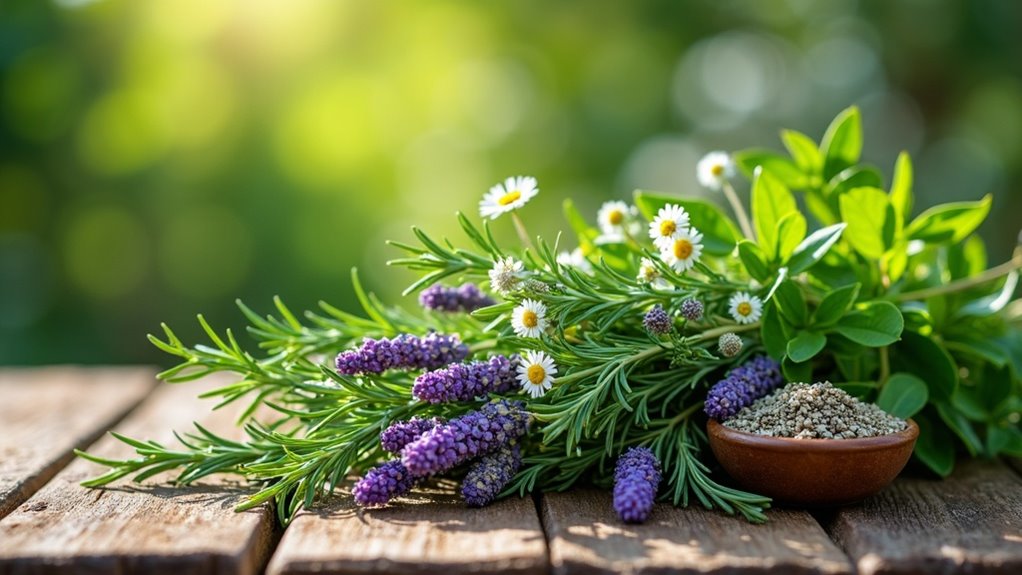
When it comes to medicinal plants for traditional remedies, you’ll find a variety of options. Echinacea boosts your immune system, especially during colds. Turmeric acts as a powerful anti-inflammatory and antioxidant. Ginkgo Biloba may enhance cognitive function while lavender promotes relaxation and restful sleep. Chamomile offers soothing effects for anxiety and digestive discomfort. Each of these plants carries unique benefits that can support your holistic wellness journey. Explore further to uncover even more herbs and their healing properties.
Key Takeaways
- Echinacea purpurea is used for immune support, particularly against colds and respiratory infections, enhancing white blood cell activity.
- Turmeric contains curcumin, known for its anti-inflammatory and antioxidant properties, and supports digestive health when paired with black pepper.
- Ginkgo Biloba may enhance cognitive function and alleviate dementia symptoms, though its effectiveness is still debated in scientific research.
- Lavender is celebrated for its calming effects, promoting relaxation and sleep, while also exhibiting antimicrobial properties for skin ailments.
- Chamomile offers soothing benefits for anxiety and sleep, and its anti-inflammatory properties help alleviate gastrointestinal discomfort.
Echinacea: Immune Support and Beyond
Echinacea, particularly Echinacea purpurea, stands out as a powerful ally in supporting your immune system, especially when you’re looking to fend off colds or respiratory infections.
This medicinal plant is commonly used to help treat these conditions, thanks to scientific evidence to support its immune-boosting effects. Active compounds like alkamides and polysaccharides may enhance white blood cell activity, offering potential anti-inflammatory properties.
However, be aware of possible gastrointestinal problems and allergic reactions, particularly if you’re sensitive to the daisy family.
It’s wise to consult a healthcare professional before using Echinacea, especially if you have autoimmune disorders or take immunosuppressive medications.
Turmeric: The Golden Spice for Health
When it comes to incorporating natural remedies into your health routine, turmeric shines as a golden spice with remarkable benefits. Its active component, curcumin, is celebrated for its anti-inflammatory and antioxidant properties, aiding conditions like arthritis.
Turmeric, with its powerful curcumin, offers incredible anti-inflammatory and antioxidant benefits, making it a valuable addition for arthritis relief.
Traditionally used in Ayurvedic and Traditional Chinese Medicine, turmeric supports digestive health and enhances liver function. However, curcumin’s bioavailability is low, so pairing it with piperine from black pepper enhances absorption.
Recent research even suggests potential benefits for managing depression and anxiety. While generally safe, be cautious with high doses, especially if you’re on blood thinners or pregnant.
Embrace turmeric for holistic wellness!
Ginkgo Biloba: Cognitive Benefits and Considerations
Ginkgo Biloba, revered for its ancient lineage, offers intriguing potential for cognitive enhancement, especially for those concerned about memory and age-related decline.
This medicinal plant is often explored for its possible benefits in alleviating symptoms of dementia and improving overall cognitive function.
- Recommended dosage: up to 240 mg per day
- Consult a healthcare provider before use
- Possible side effects: headaches, heart palpitations, gastrointestinal upset
- Blood-thinning effects may interact with medications
- Scientific evidence remains limited and inconsistent
Incorporating Ginkgo Biloba into traditional remedies may offer promise, but caution is essential for safe usage.
Lavender: Aromatherapy and Relaxation
As you explore the world of traditional remedies, consider lavender for its remarkable calming effects.
Lavender oil, renowned for its soothing properties, is a staple in aromatherapy, helping to alleviate stress and promote relaxation. Studies show it can improve sleep quality, making it effective against mild insomnia.
Beyond relaxation, lavender’s antimicrobial properties aid in treating skin ailments, making it a versatile addition to your wellness routine.
You can enjoy lavender in various forms, including essential oils and teas.
Remember, short-term use is generally safe, but seek medical advice if you have allergies or sensitivities.
Embrace lavender for holistic well-being.
Chamomile: Soothing Effects for Mind and Body
Chamomile, a gentle yet powerful herb, offers soothing effects that can benefit both mind and body. This herbal remedy is renowned for its calming properties, helping you manage anxiety and promote restful sleep.
When consumed as tea, it addresses gastrointestinal discomfort, thanks to its anti-inflammatory properties. Chamomile is rich in antioxidants like apigenin, which enhance relaxation. Additionally, it can be applied topically for skin irritations due to its antimicrobial properties.
Consider these benefits:
- Reduces anxiety
- Eases gastrointestinal discomfort
- Contains anti-inflammatory properties
- Rich in antioxidants
- Soothes skin irritations
Embrace chamomile for holistic wellness.





