
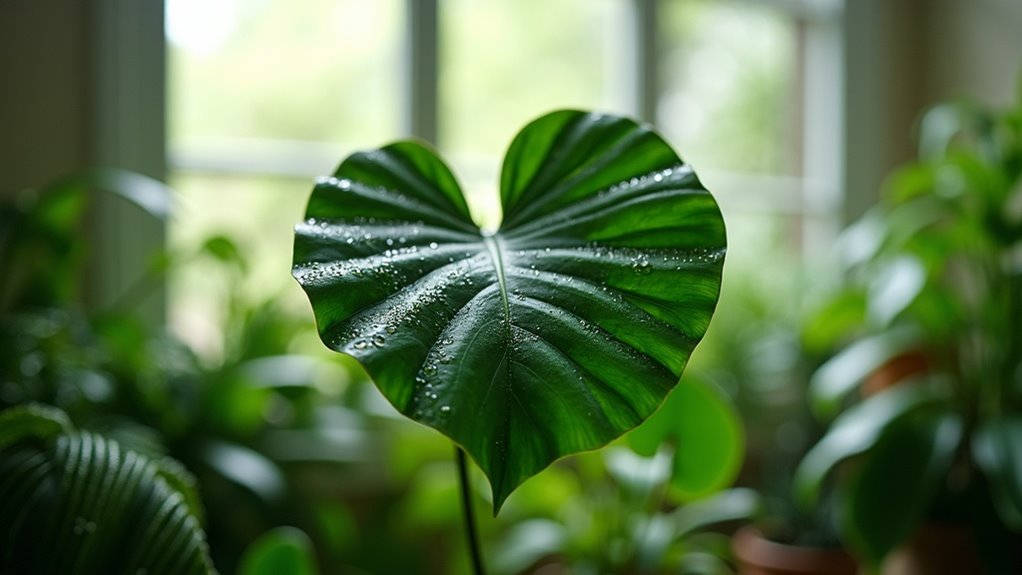
Yes, plants can naturally improve indoor humidity through transpiration. When you water your plants, they absorb the moisture and release water vapor into the air via their stomata. This process can increase humidity levels considerably, especially with high transpiration rate plants like Boston Ferns and Spider Plants. By grouping plants together or using pebble trays, you can enhance this effect. If you’re interested in specific plant recommendations and techniques, there’s more to explore!
Key Takeaways
- Plants release moisture into the air through transpiration, naturally increasing indoor humidity levels.
- High transpiration rate plants, like Boston Fern and Spider Plant, are particularly effective for enhancing humidity.
- Grouping plants together creates a microclimate, retaining moisture and boosting humidity in their surroundings.
- Regular watering and misting of plants promote consistent moisture release into the air.
- Incorporating humidity-boosting techniques, like pebble trays, further enhances the humidity benefits provided by plants.
The Science Behind Plant Transpiration
While you might think of plants as simple organisms, they engage in a complex process called transpiration that plays an essential role in their survival and the environment around them.
Through transpiration, plants absorb water via their roots, transport it through stems, and release it as vapor through stomata. This process can emit significant moisture—up to 58 grams daily for some indoor plants.
Increased humidity from transpiration helps combat dry air, especially in winter.
Plants with high transpiration rates, like the Boston Fern and Spider Plant, effectively enhance indoor air quality, demonstrating the dynamic relationship between plants and their environment.
Best Houseplants for Increasing Humidity
If you’re looking to enhance indoor humidity levels while adding greenery to your space, certain houseplants stand out for their remarkable ability to release moisture into the air.
The Spider Plant and Boston Fern thrive in bright, indirect sunlight, requiring consistently moist soil, making them excellent choices for improving air quality.
The Areca Palm can grow tall, considerably contributing to humidity with minimal care.
English Ivy, flourishing in hanging baskets, boasts a high transpiration rate, while the Peace Lily not only boosts humidity but also adds aesthetic appeal with its beautiful flowers.
These plants for indoor air effectively create a healthier environment.
Effective Humidity-Boosting Techniques
To effectively boost humidity levels in your indoor environment, consider employing a combination of strategic techniques that enhance moisture retention.
Grouping indoor plants together creates a microclimate, reducing airflow and allowing moisture to accumulate. Using pebble trays filled with water beneath potted plants allows evaporation to increase humidity locally.
Incorporating a portable humidifier near your plants helps maintain consistent humidity levels, especially in drier conditions. Additionally, creating glass enclosures, like terrariums, retains moisture.
Regularly misting plants requiring higher humidity can also increase humidity levels in their immediate surroundings while ensuring they stay hydrated.
The Role of Humidity in Indoor Air Quality
Humidity plays a crucial role in shaping indoor air quality, impacting both health and comfort levels. Maintaining ideal humidity levels between 40-60% can enhance your living environment considerably.
Here’s why it matters:
- Low humidity can cause respiratory issues and dry skin.
- Higher humidity can reduce the survival rate of viruses, especially during cold and flu season.
- Plants release moisture through transpiration, naturally boosting humidity.
- Improved humidity levels can minimize airborne pollutants and allergens.
Incorporating houseplants into your space not only increases humidity but also creates a healthier and more comfortable atmosphere overall.
Caring for Plants to Maximize Humidity Benefits
While you might think of houseplants primarily as decorative elements, their potential to enhance indoor humidity is significant when cared for properly.
Regularly watering your plants keeps the soil consistently moist, allowing them to release water vapor through transpiration, which boosts humidity levels.
Grouping plants together creates a microclimate, enhancing moisture retention. Positioning them in higher humidity areas, like kitchens or bathrooms, maximizes their effects.
Using pebble trays filled with water beneath pots encourages evaporation, further increasing humidity.
Finally, make sure you provide appropriate light for each plant species, as ideal growth directly impacts their capacity to enhance humidity effectively.





