
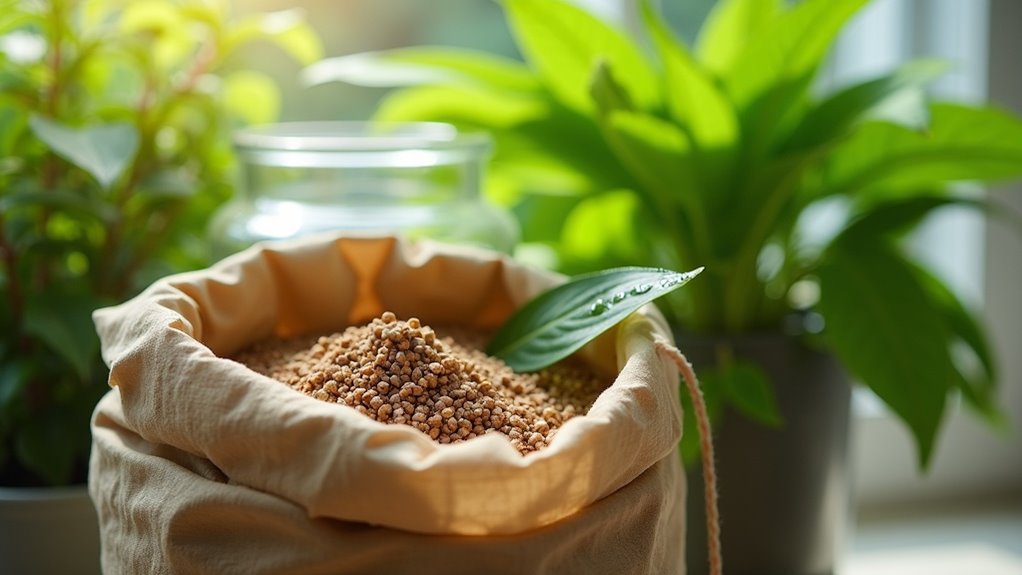
Yes, plant fertilizers can expire, which affects their effectiveness for your houseplants. Organic fertilizers generally lose potency within 1-2 years, while synthetic ones last longer, often 5-10 years if stored properly. Signs of expiration include clumping, foul odors, or separation in liquid forms. While expired fertilizers may not harm your plants, they can complicate nutrient delivery. Pay attention to storage conditions and check for usability, and you’ll find ways to keep your gardening practices effective.
Key Takeaways
- Yes, plant fertilizers can expire, especially organic ones, losing potency within 1-2 years if not stored properly.
- Liquid fertilizers typically last 5 to 10 years, while granular types can endure indefinitely when kept dry and sealed.
- Signs of expired fertilizers include clumping, foul odors, or separation in liquids, indicating compromised effectiveness.
- Proper storage in a cool, dry place can help extend the shelf life of both liquid and granular fertilizers.
- Expired fertilizer may not harm plants but can complicate nutrient delivery, so inspect before use.
Understanding Plant Fertilizer Shelf Life
When you consider the longevity of plant fertilizers, it’s essential to understand that both organic and synthetic options can remain effective for several years if stored correctly.
Liquid fertilizers typically last 5 to 10 years, while granular fertilizers can endure indefinitely when kept dry and sealed.
However, improper storage can drastically reduce their shelf life. Exposure to moisture, extreme temperatures, and sunlight can lead to expired fertilizers, evident through signs like clumping, separation, or foul odors.
To maintain efficacy, use proper storage techniques, such as sealing containers tightly and keeping them in cool, dry places, preserving your fertilizers’ effectiveness.
Factors That Affect Fertilizer Longevity
While proper storage is essential for maintaining fertilizer longevity, several factors can greatly impact its effectiveness over time.
To guarantee fertilizers remain effective, store them in cool, dry environments. Moisture exposure can cause clumping in granules and degradation in liquids. High temperatures may lead to chemical breakdown, while freezing can cause separation.
Additionally, air exposure accelerates degradation in liquid fertilizers, so always keep them tightly sealed. Organic fertilizers typically have a shorter shelf life, losing potency within 1-2 years.
Signs Your Fertilizer May Have Expired
Although you may store fertilizer properly, it can still expire, and recognizing the signs of degradation is crucial for maintaining healthy houseplants.
Here are some telltale signs your fertilizer may have gone bad:
- Granular fertilizers clump or harden, indicating moisture absorption.
- Color changes, such as darkening or fading, suggest nutrient degradation.
- A foul odor in organic fertilizers signifies decomposition beyond beneficial levels.
- Liquid fertilizers may have separation or sediment at the bottom, affecting efficacy.
If you notice any of these signs, it’s best to discard the fertilizer to guarantee your plants receive the nutrients they need.
Proper Storage Techniques for Plant Fertilizer
To maintain the effectiveness of your plant fertilizers, store them in ideal conditions.
Keep liquid fertilizers in a cool, dry place with tightly sealed containers, while granular types need airtight storage to prevent clumping.
Regularly monitor humidity levels to guarantee your fertilizers stay fresh and potent.
Ideal Storage Conditions
Properly storing plant fertilizers is essential for maintaining their potency and effectiveness.
To guarantee your fertilizers are stored properly, follow these guidelines:
- Keep fertilizers in a cool, dry place, away from direct sunlight.
- Seal liquid fertilizers tightly after each use to prevent air and moisture exposure.
- Store granular fertilizers in their original packaging or airtight containers to protect against humidity.
- Regularly check for expiration dates and inspect packaging integrity to avoid moisture entry.
Airtight Container Usage
When you store plant fertilizer, using airtight containers is essential for preserving its quality and effectiveness. These containers prevent moisture absorption, clumping, and nutrient degradation. Opt for materials that block light to shield against UV exposure. Always label your containers with purchase dates to prioritize using older fertilizers first, preventing expired fertilizer issues. Regularly inspect for signs of moisture or mold, which indicate potential spoilage. Airtight containers also protect granular fertilizers from pests seeking out nutrients.
| Container Type | Benefits |
|---|---|
| Plastic | Lightweight, moisture-proof |
| Glass | Durable, non-reactive |
| Metal | Pest-resistant, sturdy |
| Mylar | UV-blocking, flexible |
| Ceramic | Heavy-duty, aesthetic |
Monitor Humidity Levels
Maintaining ideal humidity levels is essential for the longevity of your plant fertilizers. High moisture can lead to clumping in granular fertilizers and degradation in liquids.
To keep fertilizers dry and effective, follow these tips:
- Store fertilizers in airtight containers to prevent moisture absorption.
- Use a dehumidifier in storage areas to stabilize humidity levels.
- Regularly monitor humidity levels to catch potential issues early.
- Keep fertilizers in cool, dry places away from moisture sources.
Types of Fertilizer and Their Longevity
Understanding the different types of fertilizers and their longevity is essential for ideal plant care.
Granular fertilizers can last indefinitely if stored properly in a cool, dry place, while liquid fertilizers typically have a shelf life of 5 to 10 years when sealed correctly.
Organic fertilizers, however, only last about 1 to 2 years due to natural breakdown processes.
Chemical fertilizers can remain effective for years, but moisture exposure can degrade them.
Lawn fertilizers containing herbicides should be disposed of after 1 to 2 years to guarantee safety and effectiveness, emphasizing the importance of proper storage practices for all fertilizers.
Is Expired Fertilizer Still Usable?
When considering expired fertilizer, it’s important to assess its nutrient availability and signs of degradation.
Look for clumping in granular forms, separation in liquids, or unusual odors in organics, as these indicate compromised effectiveness.
While it won’t harm your plants, using expired fertilizer can complicate your application process and affect nutrient delivery.
Nutrient Availability Concerns
Although expired plant fertilizer may still contain some nutrients, their availability and effectiveness can be markedly diminished due to degradation over time.
Here are some key points to take into account regarding nutrient availability:
- Liquid fertilizers lose potency faster after opening, typically within 5 to 10 years.
- Granular fertilizers can remain viable indefinitely if stored correctly.
- Organic options tend to degrade within 1 to 2 years due to microbial action.
- Using expired fertilizer may lead to inconsistent results or nutrient imbalances, affecting overall plant health.
Therefore, always assess the condition of your expired fertilizer before use to guarantee your plants thrive.
Signs of Degradation
Expired fertilizer can often show clear signs of degradation that indicate whether it’s still usable or not.
For granular forms, look for clumping or hardening, which suggests moisture exposure and reduced effectiveness.
In liquid fertilizers, separation or sediment at the bottom can signify degradation, and shaking may not always restore usability.
Additionally, a foul odor or visible mold growth in organic fertilizers indicates decomposition beyond safe levels.
Even if nutrients remain, expired fertilizer may lead to incorrect dosing, potentially harming your plants.
Always inspect your fertilizers for changes in texture, smell, and appearance before applying them.
Safe Application Practices
Using expired fertilizer can raise concerns about its effectiveness and safety for your houseplants. While it’s not toxic, its nutrient availability may be compromised.
To guarantee safe application, consider these practices:
- Check for unusual smells or clumping—signs it’s gone bad.
- Test on a small area or less valuable plants first.
- If you notice decreased effectiveness, dispose of expired fertilizers properly.
- Keep fertilizers in their original packaging to maintain freshness.
Prioritizing these practices helps maintain your plants’ health and growth, ensuring you maximize the benefits of your fertilizers.
What to Do With Expired or Unusable Fertilizer
When you come across expired or unusable fertilizer, it’s essential to handle it properly to protect both your plants and the environment.
Look for signs like clumping, foul odors, or mold growth; these indicate that the fertilizer is no longer viable. For liquid fertilizers, if you notice separation or sediment, it’s best to discard them.
Granular fertilizers that have absorbed moisture may be crushed for limited use, but avoid applying anything potentially degraded.
Always follow the product label’s disposal instructions and check local regulations for any specific guidelines regarding hazardous waste disposal.
Proper disposal keeps your garden and surroundings safe.
Ethical and Environmental Considerations
Understanding the ethical and environmental implications of fertilizer use is essential for responsible gardening. Here are key considerations:
- Fertilizers are typically overused, leading to nutrient runoff that harms aquatic ecosystems.
- Algal blooms and oxygen depletion are direct environmental impacts of excessive fertilizer application.
- Proper disposal of expired or unused fertilizers prevents soil and water contamination.
- Explore organic alternatives to minimize chemical runoff and promote sustainability.





