
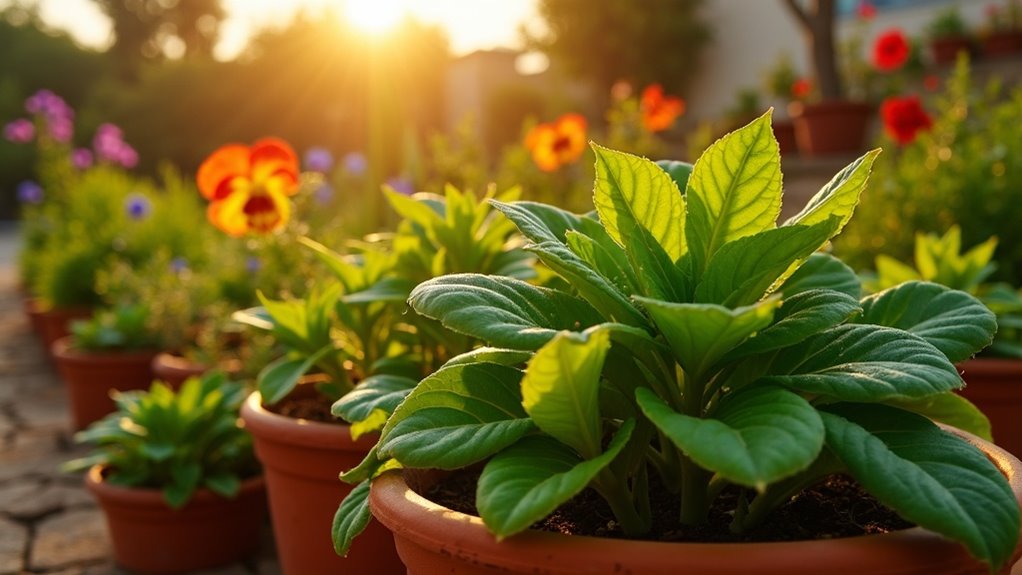
Yes, plants can tolerate gray water during droughts. Many drought-tolerant species thrive on the nutrients gray water provides, which can enhance soil health and reduce fresh water demand. However, caution is needed with edible plants due to potential contamination risks. It is crucial to monitor soil health for salt buildup and avoid storing gray water for more than 24 hours. By selecting the right plants and following proper guidelines, you can maximize the benefits of gray water for irrigation. More insights await you.
Key Takeaways
- Gray water can be beneficial for plants as it supplies essential nutrients and reduces fresh water demand during droughts.
- Drought-tolerant species like lavender, rosemary, and native plants thrive well on gray water irrigation.
- Regular monitoring is essential to detect any signs of salt stress in plants receiving gray water.
- Using gray water for irrigation can enhance soil health by adding organic matter, essential during dry conditions.
- Caution should be taken with edible crops due to potential contamination risks from gray water.
Understanding Gray Water and Its Benefits
As water scarcity becomes increasingly common, understanding gray water and its benefits is essential for sustainable living.
Gray water, which includes wastewater from showers, sinks, and washing machines, constitutes 50-80% of household water usage. Utilizing gray water for irrigation considerably reduces fresh water demand, promoting water conservation during drought conditions.
This nutrient-rich resource enhances soil health by adding organic matter, benefiting plants and supporting garden ecosystems. Properly managed greywater systems can bolster resilience against drought stress, particularly for edible plants and native species.
Choosing drought-tolerant plants for gray water irrigation optimizes efficiency and minimizes risks from chemical contaminants.
Suitable Plants for Using Gray Water
Choosing the right plants for gray water irrigation can greatly enhance your garden’s resilience and sustainability.
Suitable plants include drought-tolerant species like lavender and rosemary, which thrive in alkaline soils and withstand gray water’s salts.
Fruit trees such as citrus and apple excel in gray water reuse, absorbing nutrients while being less sensitive to contaminants.
Native plants like red yucca and Texas sage adapt well to local conditions.
Be cautious with edible crops, as gray water presents health risks when it contacts harvests.
Regular monitoring is essential to identify signs of salt stress, ensuring your plants remain healthy and thriving.
Setting Up a Gray Water Irrigation System
Establishing a gray water irrigation system is a practical step toward enhancing your garden’s sustainability, especially in times of drought. Start by checking local regulations regarding safe use. You can collect gray water from sinks or showers using buckets or install a more elaborate system with irrigation lines. A three-way diverter valve allows you to switch between gray water and municipal systems. Incorporate filters to prevent clogging, and remember that regular maintenance, like monthly filter cleanouts, is vital for effective water management.
| Component | Purpose |
|---|---|
| Diverter Valve | Switches between water sources |
| Filters | Keeps gray water clean |
| Irrigation Lines | Distributes water to plants |
| Maintenance | Guarantees system longevity |
| Local Regulations | Guarantees compliance and safety |
Maintenance and Safety Considerations
While implementing a gray water irrigation system offers a sustainable solution for gardening during droughts, regular maintenance and safety considerations are vital for maximizing its effectiveness.
Implementing a gray water irrigation system is sustainable, but regular maintenance and safety are crucial for effectiveness.
- Clean filters monthly to prevent clogs
- Monitor soil health for salt buildup
- Limit gray water storage to 24 hours
- Use watering cans for direct application
- Choose non-edible plants and drought-tolerant varieties
Understanding local regulations is essential to guarantee you’re compliant and safe.
Addressing Common Misconceptions About Gray Water
Despite the widespread misconceptions surrounding gray water, understanding its benefits and appropriate usage can greatly enhance your gardening practices during droughts.
Gray water reuse can boost plant growth by supplying essential nutrients, often outperforming regular water. Many fear it’s too contaminated, but studies reveal low pathogen levels can actually benefit soil health.
While drought-tolerant plants thrive, be cautious with edible crops due to contamination risks. Additionally, gray water shouldn’t be stored indefinitely; using it within 24 hours minimizes bacterial growth.





