
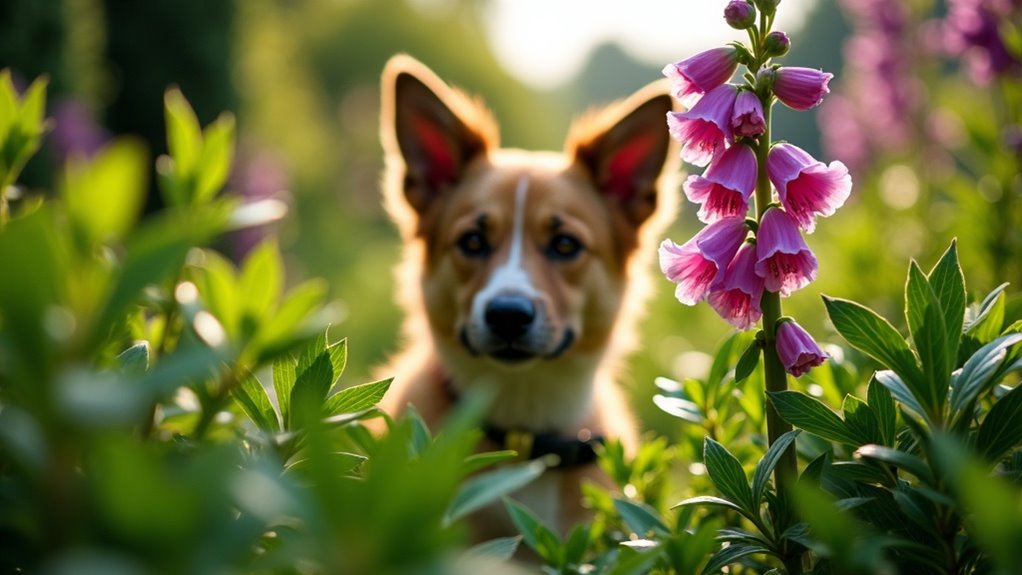
Certain plants are highly toxic to dogs and cats. Lilies can cause severe kidney failure in cats, while Aloe Vera may lead to vomiting and diarrhea. Rhododendrons and Oleander are heart-damaging, creating serious risks for both species. Tulip bulbs can upset their stomachs, resulting in loss of appetite. Always be aware of these risks and monitor your pets. Understanding these dangers can guide you in making safer plant choices for your home environment and wellbeing.
Key Takeaways
- Lilies, especially Asiatic and Easter varieties, can cause severe kidney failure in cats and gastrointestinal upset in dogs.
- Aloe Vera contains anthraquinones, leading to vomiting and diarrhea in pets.
- Rhododendrons can induce weakness and abnormal heart rhythms in both dogs and cats.
- Oleander is highly toxic, resulting in diarrhea and potentially causing seizures in pets.
- Tulip bulbs may upset a pet’s stomach and lead to loss of appetite.
Common Toxic Plants for Dogs and Cats
When you’re caring for your furry friends, it’s essential to be aware of common toxic plants that can pose serious health risks.
Lilies, particularly Asiatic and Easter varieties, are highly toxic to cats, leading to severe kidney failure. Dogs may experience gastrointestinal upset from the same plant.
Aloe Vera can cause vomiting and diarrhea due to its anthraquinones.
Rhododendrons result in weakness and abnormal heart rhythms in both species.
Oleander is extremely toxic, causing diarrhea and potentially seizures.
Tulip bulbs, especially in spring, lead to upset stomach and loss of appetite in pets, making these toxic plants a serious concern.
Symptoms of Plant Poisoning in Pets
How can you tell if your pet has ingested a toxic plant? Watch for symptoms of plant poisoning, which may indicate gastrointestinal distress.
Common signs include:
- Vomiting and diarrhea
- Increased drooling
- Abnormal heart rate or rapid breathing
- Lethargy or coordination problems
If you notice any of these symptoms, it’s critical to contact your vet immediately.
Anxious behavior or sudden temperament changes can also signal distress from ingested toxins. In severe cases, tremors or seizures may occur, which require urgent medical intervention.
Always keep an eye on your pets around plants that are toxic to pets to guarantee their safety.
Emergency Response for Poisoning
If you suspect your pet has ingested a toxic plant, it’s essential to act swiftly and calmly.
Gather information about the plant and its parts before contacting a veterinarian or emergency service. Don’t induce vomiting unless instructed by a veterinary professional, as this can worsen the situation.
Watch for common symptoms of poisoning in dogs and cats, such as vomiting, diarrhea, increased heart rate, and lethargy. Relay these symptoms to the veterinarian during your call.
Immediate intervention greatly boosts recovery chances, so keep a list of local veterinarians and emergency services handy for any poisoning emergency.
Non-Toxic Plants Safe for Pets
Choosing plants that are safe for pets can enhance your living space without the worry of toxicity.
Here’s a list of non-toxic plants that are safe for dogs and cats:
- African Violet (Saintpaulia spp.)
- Baby Rubber Plant (Peperomia obtusifolia)
- Alyssum (Alyssum spp.)
- Gerbera Daisy (Gerbera jamesonii)
These plants not only beautify your home but also pose no danger to your furry friends.
Unlike toxic plants, these options can bring life to your surroundings while ensuring your pets remain safe.
Always consult a list of plants to confirm their safety before introducing new greenery into your environment.
Prevention Tips for Pet Owners
Since pet safety is a priority for responsible pet owners, it’s crucial to take proactive measures to prevent exposure to toxic plants.
Research common poisonous plants like Aloe Vera, Lilies, and Oleander, confirming they’re absent from your home and garden. Regularly monitor indoor and outdoor spaces for new plants, especially during seasonal changes.
Research and remove toxic plants like Aloe Vera, Lilies, and Oleander to ensure a safe environment for your pets.
Educate household members about the dangers of toxic plants, as even mild gastrointestinal issues can arise from ingestion. It’s best to keep toxic plants out of reach.
Opt for pet-friendly alternatives like African Violets and Baby Rubber Plants to maintain a safe environment for your dogs and cats.





